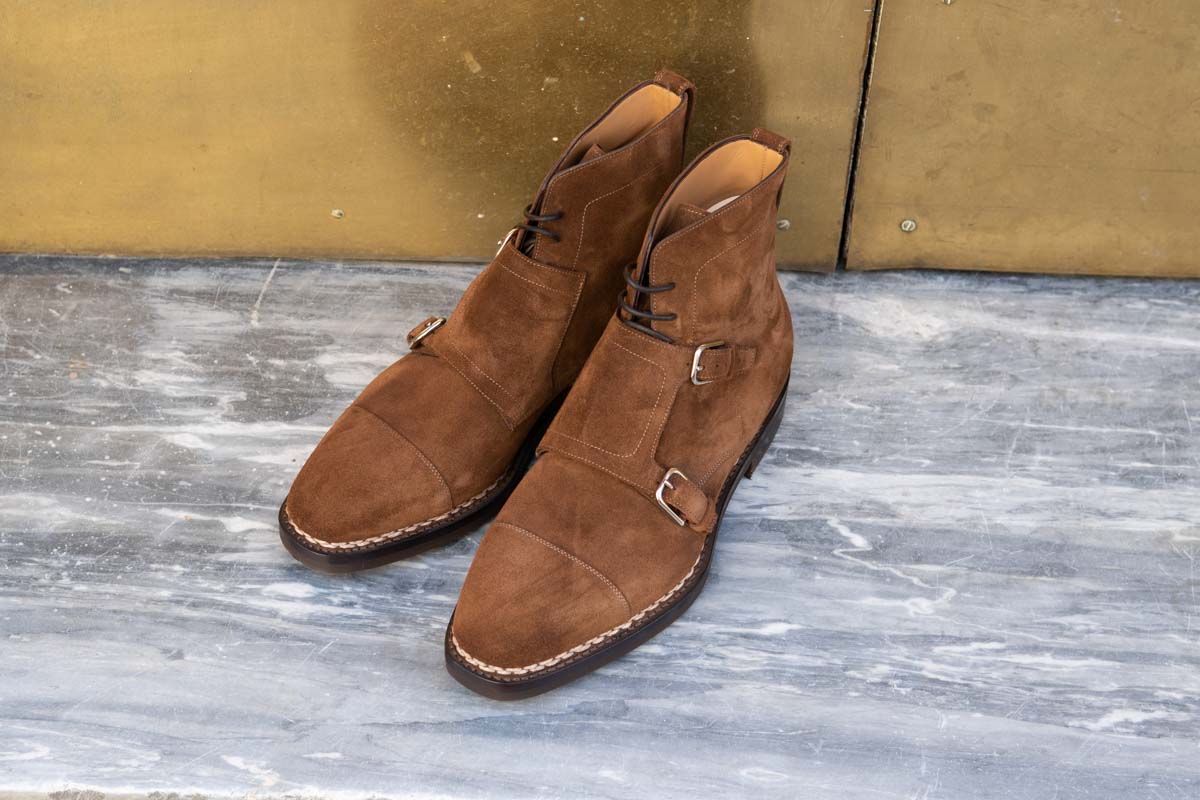
Sustainability took center stage in summer 2021, with major brands making significant strides toward eco-friendly practices. Among these efforts, Nike’s “Move to Zero” initiative stood out as a groundbreaking campaign to reduce waste and carbon emissions. This initiative focuses on creating sustainable footwear without compromising on style, performance, or comfort. From innovative materials to circular design principles, the Move to Zero collection showcases Nike’s commitment to a greener future.
Here’s a roundup of the standout features and key highlights of the Move to Zero footwear launched in summer 2021.
At the heart of the Move to Zero initiative is Nike’s pledge to achieve zero carbon emissions and zero waste. This vision is driven by the urgent need to address climate change and the environmental impact of the fashion and sportswear industry. The Move to Zero footwear collection is designed with sustainability in mind, emphasizing the use of recycled materials and innovative production techniques.
Nike’s approach includes:
- Recycled Materials: Many Move to Zero shoes are crafted from recycled polyester, rubber, and foam sourced from manufacturing waste.
- Reduced Carbon Footprint: Energy-efficient production methods and supply chain improvements help minimize the environmental impact.
- Circular Design: A focus on creating durable, recyclable products that extend the lifecycle of materials and reduce landfill waste.
This philosophy underpins every aspect of the Move to Zero footwear line, from concept to production.
The Move to Zero summer 2021 collection introduced several innovative footwear options that blend sustainability with high performance. Here are some of the standout features:
1. Recycled Content
Each pair of Move to Zero shoes incorporates a significant percentage of recycled materials. For example:
- Nike Air VaporMax 2021: Features a Flyknit upper made from 50% recycled polyester and an Air unit made from at least 75% recycled TPU.
- Nike Space Hippie: Uses scrap materials, such as recycled yarns and factory waste, in its lightweight, comfortable design.
2. Innovative Soles and Uppers
The soles and uppers in the Move to Zero footwear line are designed for durability and reduced waste:
- Grind Rubber Outsoles: Made from recycled rubber, these outsoles provide excellent traction while reducing waste.
- Flyknit Technology: Flyknit uppers are not only breathable and lightweight but also reduce material waste during production.
3. Stylish Aesthetics
Move to Zero footwear combines sustainability with cutting-edge design. The shoes feature:
- Earthy tones and speckled finishes inspired by natural materials.
- Bold, futuristic silhouettes that appeal to style-conscious consumers.
- Subtle branding to emphasize the focus on sustainability.
The Move to Zero collection offered a range of versatile styles suitable for different activities and preferences. Here are some of the standout models:
Nike Air VaporMax 2021
A perfect blend of comfort, performance, and sustainability, the Nike Air VaporMax 2021 redefined what eco-friendly footwear could look like. The shoe features a Flyknit upper made from recycled materials and a fully recycled Air unit for maximum cushioning.
Nike Space Hippie Collection
Dubbed “trash transformed,” the Space Hippie collection uses recycled factory waste to create lightweight, futuristic sneakers. The Space Hippie 01 and 04 models were particularly popular for their unique designs and sustainable ethos.
Nike Crater Impact
Designed for everyday wear, the Crater Impact shoe combines style and sustainability. Its midsole is made from Crater Foam, a blend of standard Nike foams and 15% Nike Grind rubber.
Sustainability took center stage in summer 2021, with major brands making significant strides toward eco-friendly practices.
The Move to Zero collection was well-received by both eco-conscious consumers and sneaker enthusiasts. Key factors driving its success include:
- Transparency: Nike’s commitment to sharing details about the materials and processes used in the collection built consumer trust.
- Accessibility: The collection included a range of price points, making sustainable footwear more accessible to a wider audience.
- Performance: Despite the focus on sustainability, the shoes maintained Nike’s reputation for high-quality performance and comfort.
Consumers appreciated the ability to make a positive environmental impact without sacrificing style or functionality.

While the Move to Zero initiative represents significant progress, Nike acknowledges there is still work to be done. Challenges include:
- Scaling Up: Expanding the use of sustainable materials across all product lines.
- Recycling Infrastructure: Developing systems to collect and recycle old shoes effectively.
- Innovation: Continuing to push the boundaries of sustainable design without increasing costs.
Nike’s ultimate goal is to create a fully circular system where every product is part of a closed-loop process.
The Move to Zero initiative is a powerful example of how the sportswear industry can drive positive environmental change. By prioritizing sustainability, Nike sets a standard for other brands to follow. The collection proves that eco-friendly practices can coexist with innovation, style, and performance.
As consumers, supporting initiatives like Move to Zero encourages brands to invest in sustainable practices. Together, we can help reduce the environmental impact of fashion and create a more sustainable future.



 No products in the cart.