A sofa is more than just a piece of furniture; it’s the centerpiece of your living room, a place where comfort meets style, and a statement about your personal taste. Choosing the right sofa can feel overwhelming, with countless options available in terms of size, style, material, and functionality. This designer’s guide will walk you through the key considerations to help you select the perfect sofa for your space.
The first step in choosing a sofa is understanding the space it will occupy. Consider the following:
- Room Size: Measure your room and note the dimensions to ensure your sofa fits without overwhelming the space. Leave enough room for other furniture and pathways.
- Placement: Decide where the sofa will go. Will it float in the center, be placed against a wall, or sit in a corner?
- Scale: Ensure the sofa’s size is proportional to the room and other furniture. A massive sectional might look out of place in a small room, while a tiny loveseat might feel inadequate in a large living area.
Using painter’s tape to outline the sofa’s footprint on the floor can help you visualize how it will fit.
Your sofa should reflect your aesthetic while harmonizing with the room’s overall design. Popular sofa styles include:
- Modern: Clean lines, minimalist design, and neutral colors.
- Traditional: Rolled arms, tufted backs, and ornate details.
- Mid-Century Modern: Low profiles, tapered wooden legs, and bold colors.
- Contemporary: A mix of modern and classic elements, focusing on comfort and functionality.
- Industrial: Metal frames, leather upholstery, and rugged finishes.
Choose a style that complements your existing decor or sets the tone for a new design direction.
The shape of your sofa affects both its functionality and aesthetic appeal. Consider these common shapes:
- Standard Sofa: A classic three-seater is versatile and works well in most spaces.
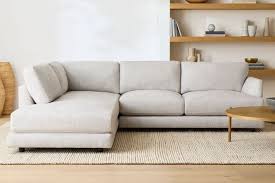
- Sectional: Ideal for large families or open-plan spaces, sectionals offer ample seating and can be customized to fit your layout.
- Loveseat: A two-seater option, perfect for small rooms or as a companion piece.
- Chaise: A sofa with an extended seat for lounging; great for a reading nook or cozy corner.
- Sleeper Sofa: Converts into a bed, making it a practical choice for guest rooms or small apartments.
Your choice should align with your seating needs and the room’s layout.
A sofa is more than just a piece of furniture; it’s the centerpiece of your living room, a place where comfort meets style, and a statement about your personal taste.
The material and upholstery of your sofa determine its durability, comfort, and visual appeal. Common options include:
- Fabric: Available in a wide range of colors and textures, fabric is comfortable and versatile. Choose durable fabrics like microfiber for high-traffic areas.
- Leather: Timeless and easy to clean, leather adds a touch of luxury but may not be the best choice for homes with pets that could scratch it.
- Velvet: Adds a plush, sophisticated look but requires more maintenance.
- Synthetic Blends: Durable and affordable, synthetic fabrics often mimic the look of natural materials.
When selecting upholstery, consider your lifestyle. Families with kids or pets might prefer stain-resistant or washable fabrics.

Comfort is a non-negotiable aspect of a sofa. To ensure it meets your needs:
- Seat Depth: Deep seats are great for lounging, while shallower seats offer better support for upright sitting.
- Cushion Firmness: Soft cushions provide a cozy feel, while firmer cushions offer more support.
- Back Height: High backs offer more support for lounging, while low backs create a sleek, modern look.
- Armrest Style: Wide, padded arms add comfort, while armless designs save space and suit modern aesthetics.
Visit a showroom to test sofas in person whenever possible. Sit, lie down, and imagine using it daily.
A well-constructed sofa ensures longevity and value for money. Key elements to evaluate include:
- Frame: Look for solid wood or metal frames, as these are the most durable.
- Springs: High-quality sofas often use sinuous springs or eight-way hand-tied springs for optimal support.
- Cushions: Foam cushions are firm and supportive, while down-filled cushions are softer but require fluffing.
- Joinery: Frames with reinforced joints (e.g., dowels or corner blocks) are more durable than those held together with staples.
Investing in quality construction can save you money in the long run.
The color and pattern of your sofa influence the room’s overall vibe. Here are some tips:
- Neutral Colors: Timeless and versatile, neutrals like beige, gray, or cream blend seamlessly with various styles.
- Bold Colors: Make a statement with vibrant hues like teal, mustard, or emerald green.
- Patterns: Stripes, florals, or geometric designs can add visual interest but might require careful coordination with other decor.
If you’re unsure, opt for a neutral sofa and add personality with colorful throw pillows or blankets.


 No products in the cart.